Con’t or Cont’d? What Dictionaries and Style Guides Actually Say
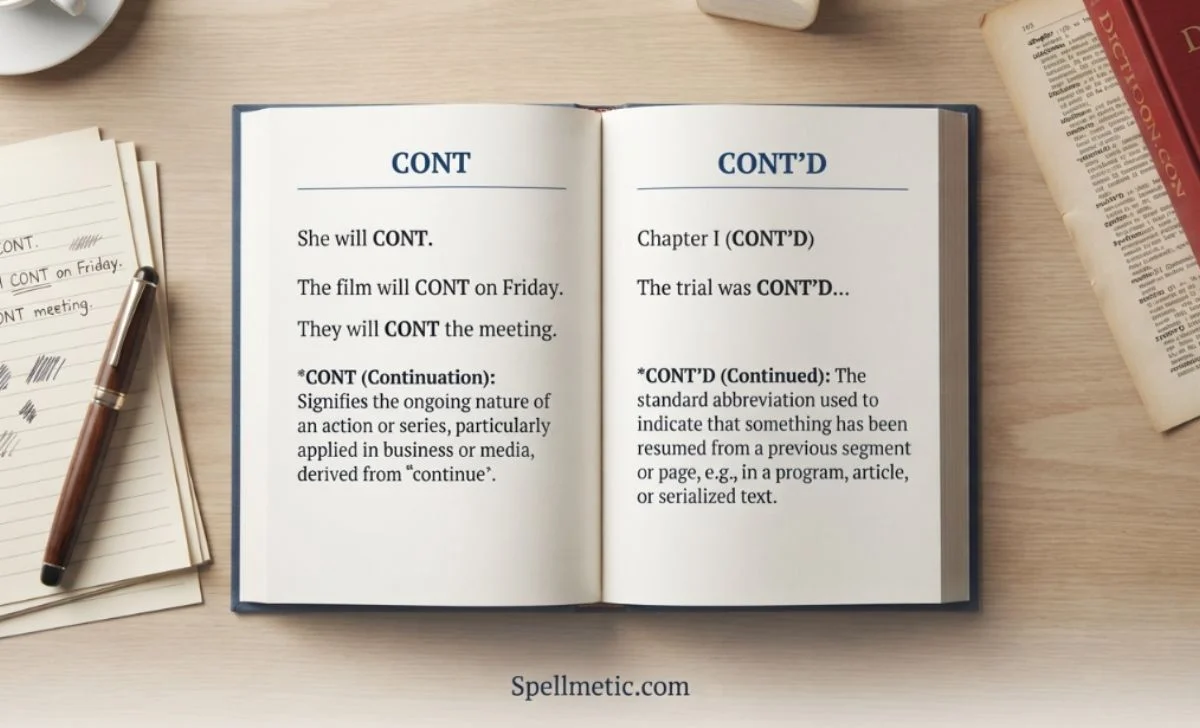
If you have seen con’t, cont’d, cont., or contd, you may have wondered whether they all mean the same thing—and ...
Read more
Donor or Donar? Find the Correct Form Before You Press Send
Donor is the correct spelling in both American and British English; donar is a common misspelling and is not recognized ...
Read more
Knaw or Gnaw: Which Spelling Deserves a Place in Your Writing?
Use gnaw, not knaw. Gnaw is the correct spelling in both US and UK English, while knaw is simply a ...
Read more
Seamless or Seemless: Why Only One Spelling Is Accepted

Seamless is the correct spelling in both US and UK English, while seemless is a misspelling. If you are choosing ...
Read more
Hampster or Hamster: The Extra Letter That Changes the Spelling
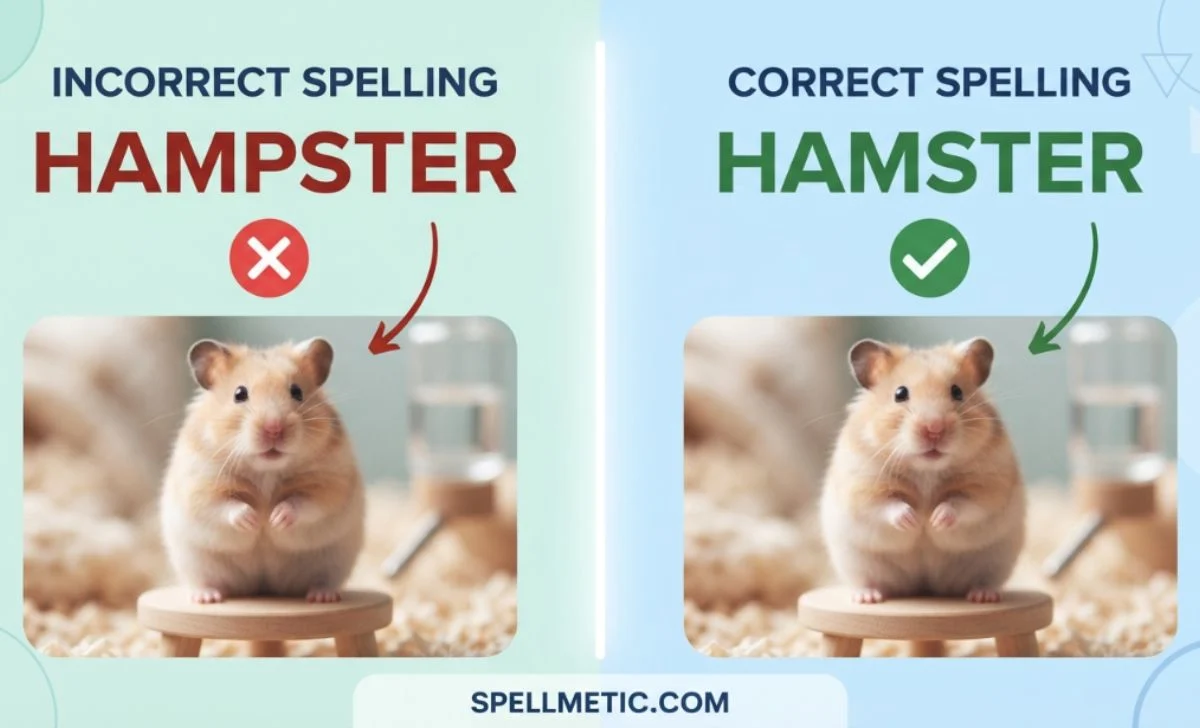
Hamster is the only correct spelling for the small pet rodent; hampster, with an extra p, is a common misspelling. ...
Read more
Fifthteen or Fifteen? The Correct Way to Spell Number 15

Fifthteen or fifteen—which spelling is correct? The correct spelling is fifteen. The word fifthteen is a common misspelling and is ...
Read more
Boxs or Boxes: Why Only One Plural Form Is Correct
Boxes is the correct plural of box in both US and UK English, while boxs is a misspelling. If you ...
Read more
Horder or Hoarder: The Word Most People Spell Incorrectly
Horder or hoarder? The correct spelling is hoarder. The word horder is a common misspelling and is not recognized in ...
Read more
Leting or Letting: Why This Tiny Spelling Difference Matters
Letting is the correct spelling in both American and British English; leting is a common misspelling and is not accepted ...
Read more
Recurring or Reoccuring: The Correct Choice for Better English
Recurring is the correct spelling in both US and UK English, while reoccuring is not accepted in standard English. If ...
Read more