Comma or Coma: Learn the Difference With Easy Examples
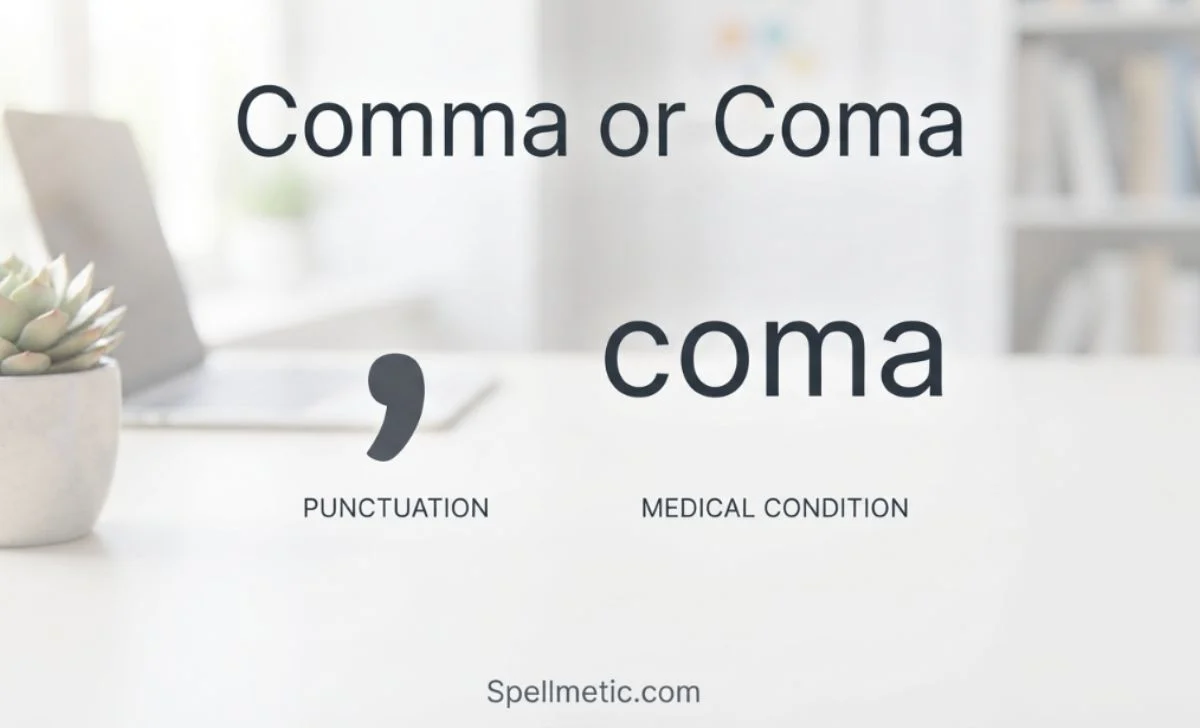
Comma and coma are two different English words with different meanings. A comma is a punctuation mark used in writing, ...
Read more
Scale or Balance: From Bathroom Weighing to Laboratory Science
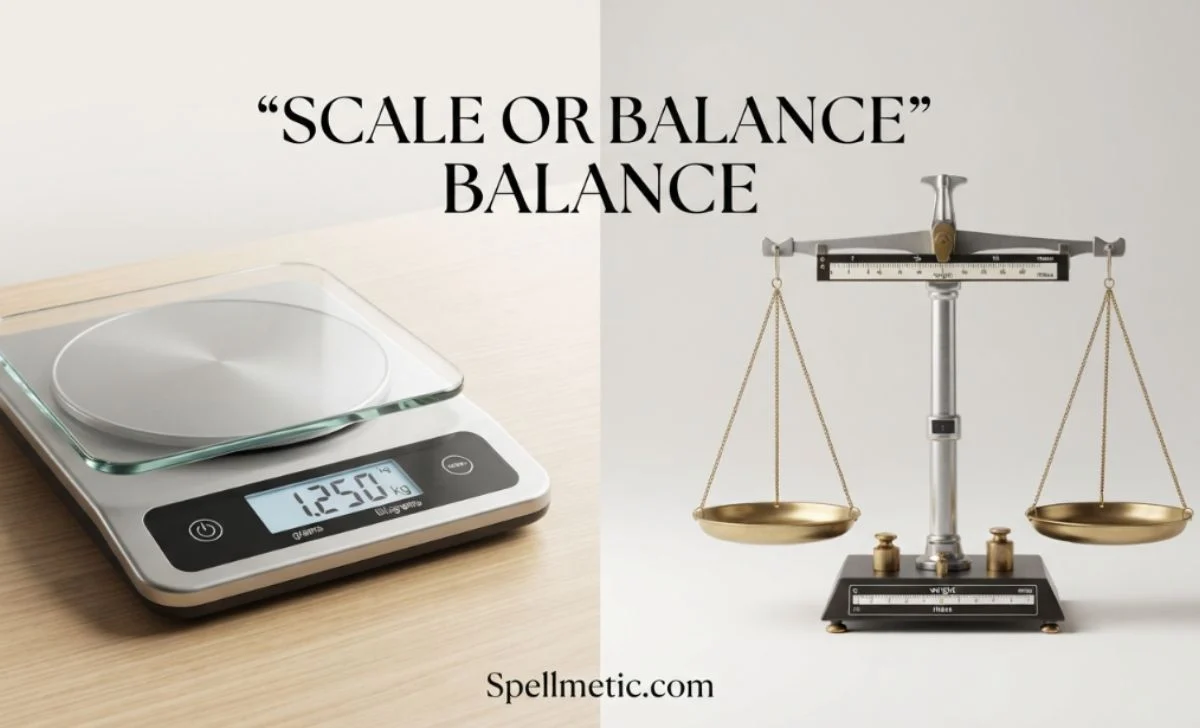
If you are wondering whether to say scale or balance, you are not alone. The two words are closely related ...
Read more
Contractor or Contracter? Why the Extra “e” Doesn’t Belong

If you are unsure whether to write contractor or contracter, the correct spelling is contractor. Contracter is a common misspelling ...
Read more
Discrete vs. Discreet: Why These Words Are So Easy to Confuse
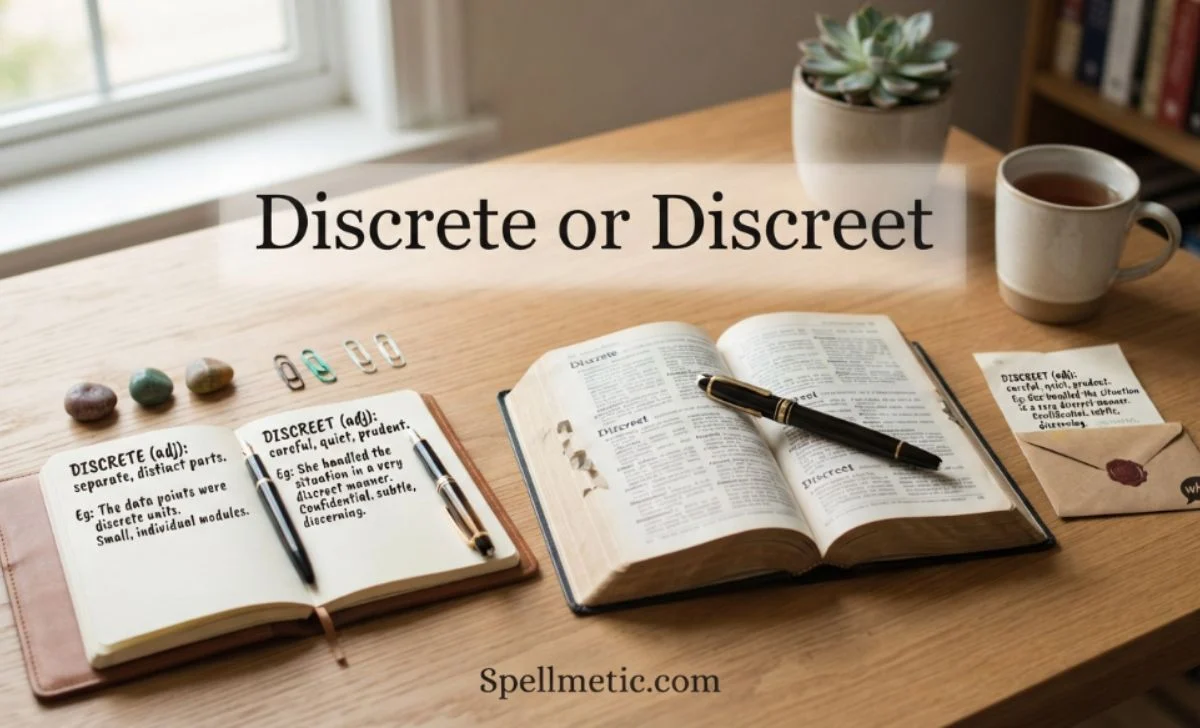
If you have ever paused before writing discrete or discreet, you are not alone. The two words sound the same, ...
Read more
Timeframe or Time Frame: How to Use It in Professional Writing
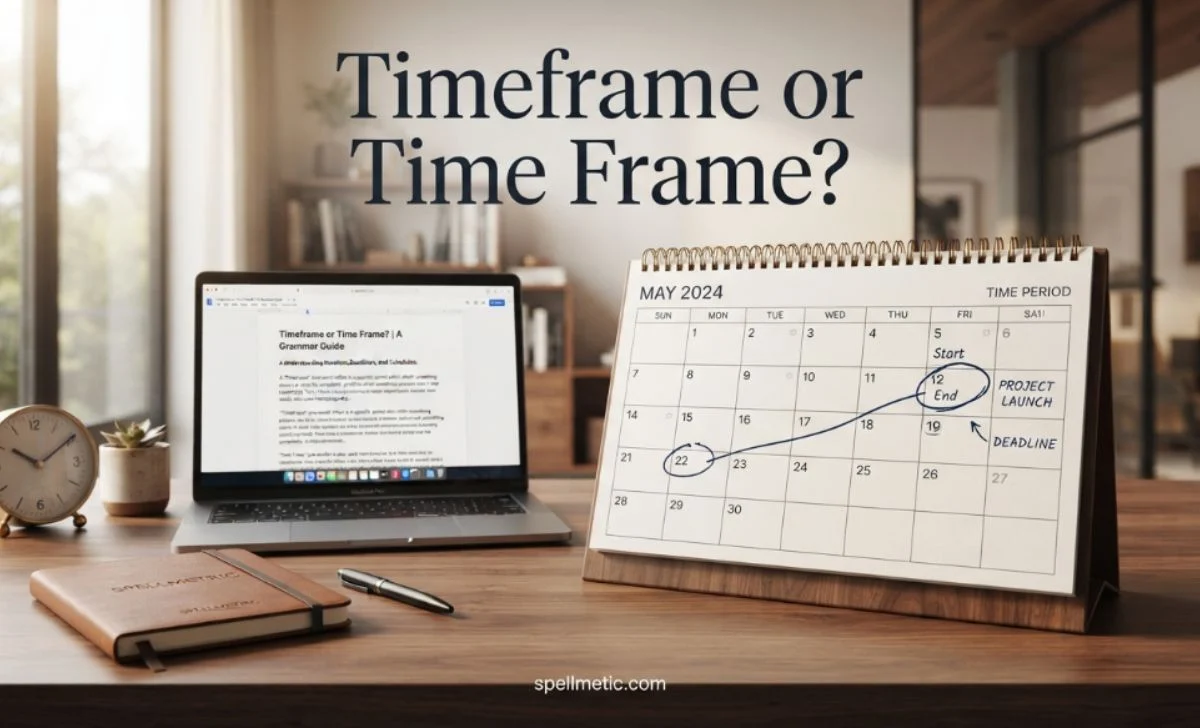
You are writing an email about a project deadline, and suddenly you stop: should it be timeframe or time frame? ...
Read more
Afterward or Afterwards? The Answer Depends on Your Audience
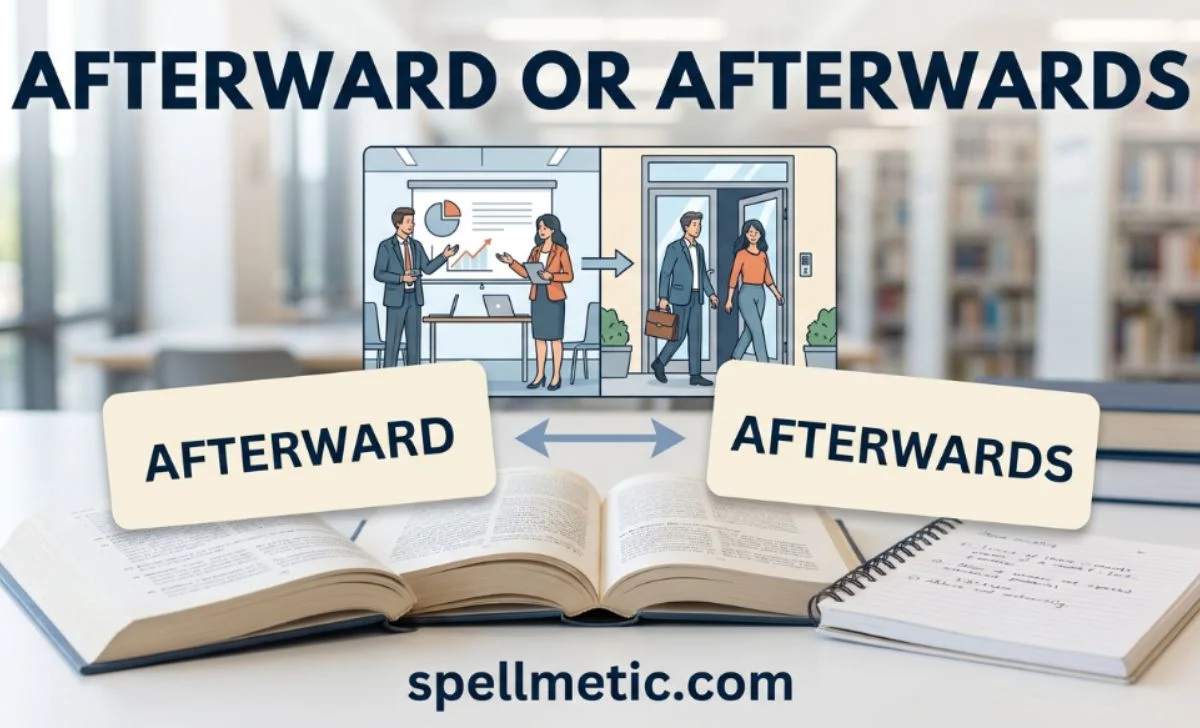
Have you ever stopped while writing and wondered, “Should I write afterward or afterwards?” Both forms look natural, and that ...
Read more
Whoa or Woah: From Spoken Reaction to Written Word

Whoa and woah are both commonly seen when people write a reaction to something surprising, impressive, shocking, or unexpected. Because ...
Read more
Anyway or Anyways: Which Version Fits Your Sentence?

If you are unsure whether to write anyway or anyways, you are not alone. Both forms appear frequently in everyday ...
Read more
Aswell or As Well: Why Spacing Matters in English
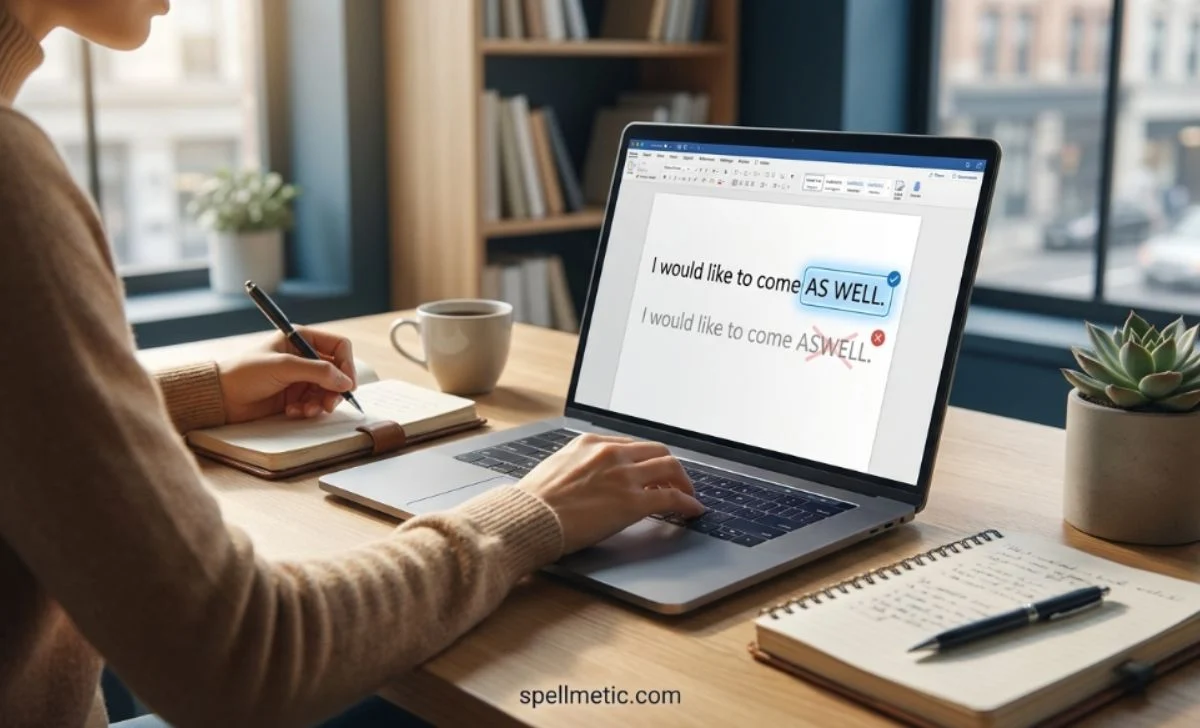
As well is the correct standard spelling. Aswell is generally considered a misspelling when you mean the common English expression ...
Read more
Who or Whom: How to Choose the Right Word Every Time
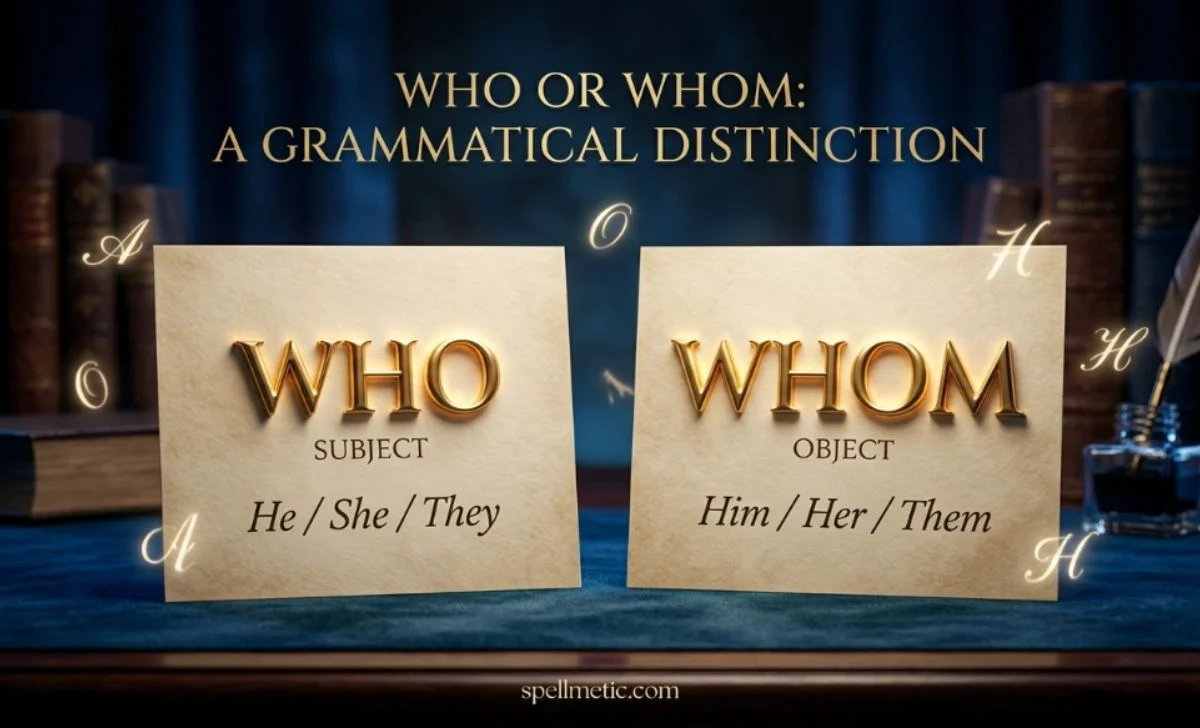
Who and whom are easy to confuse because both refer to people, but they don’t perform the same grammatical job. ...
Read more