Antipasto or Antipasta: Spelling, Food Meaning, and Examples
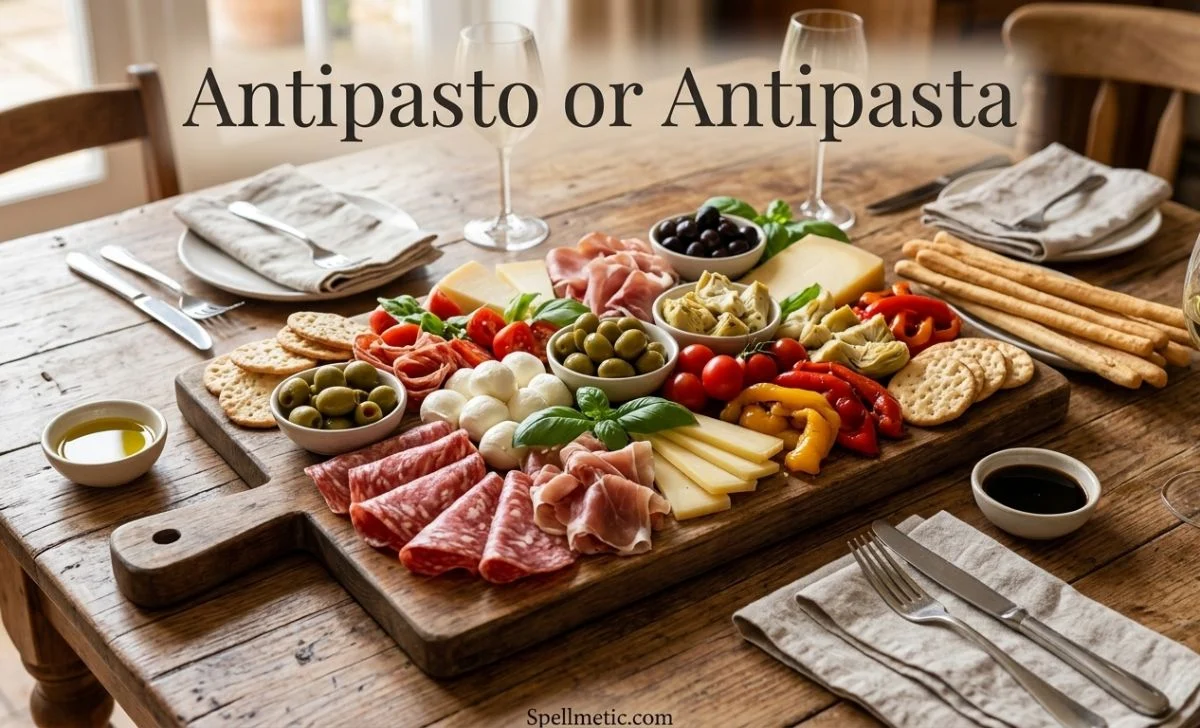
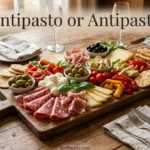
Antipasto is the correct spelling. Antipasta is generally a spelling mistake, not the standard Italian term for an appetizer served ...
Read more
Canvas and Canvass: How These Confusing Words Differ
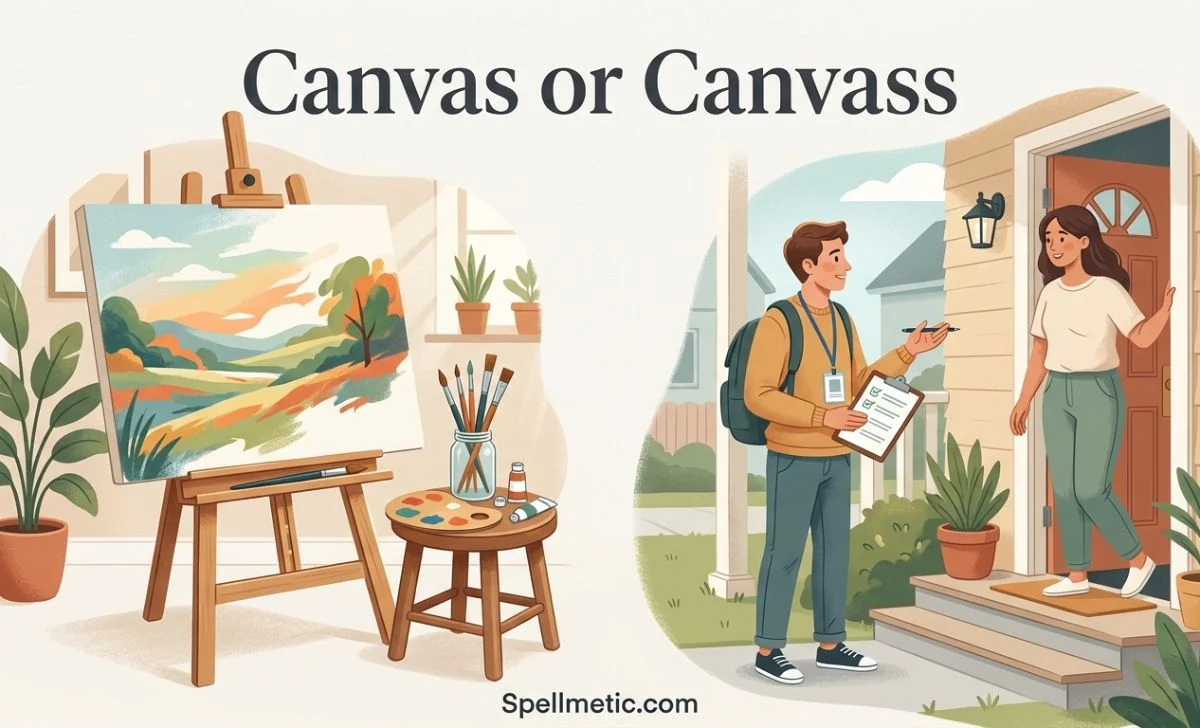
Canvas and canvass are two different words in both US and UK English, not US versus UK spellings of the ...
Read more
Lessor vs. Lessee: Who Is the Tenant and Who Is the Landlord?
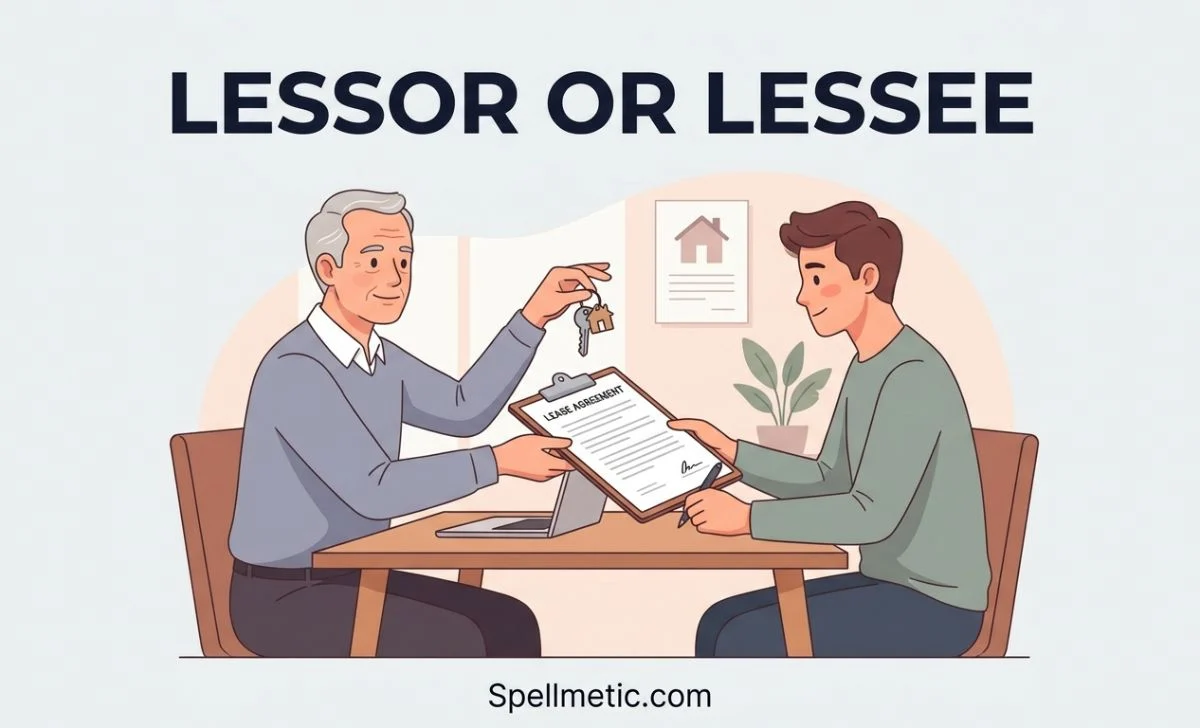
The lessor is the landlord, and the lessee is the tenant. The lessor grants the right to use an asset ...
Read more
Tacet or Tacit: One Means Unspoken, the Other Belongs to Music
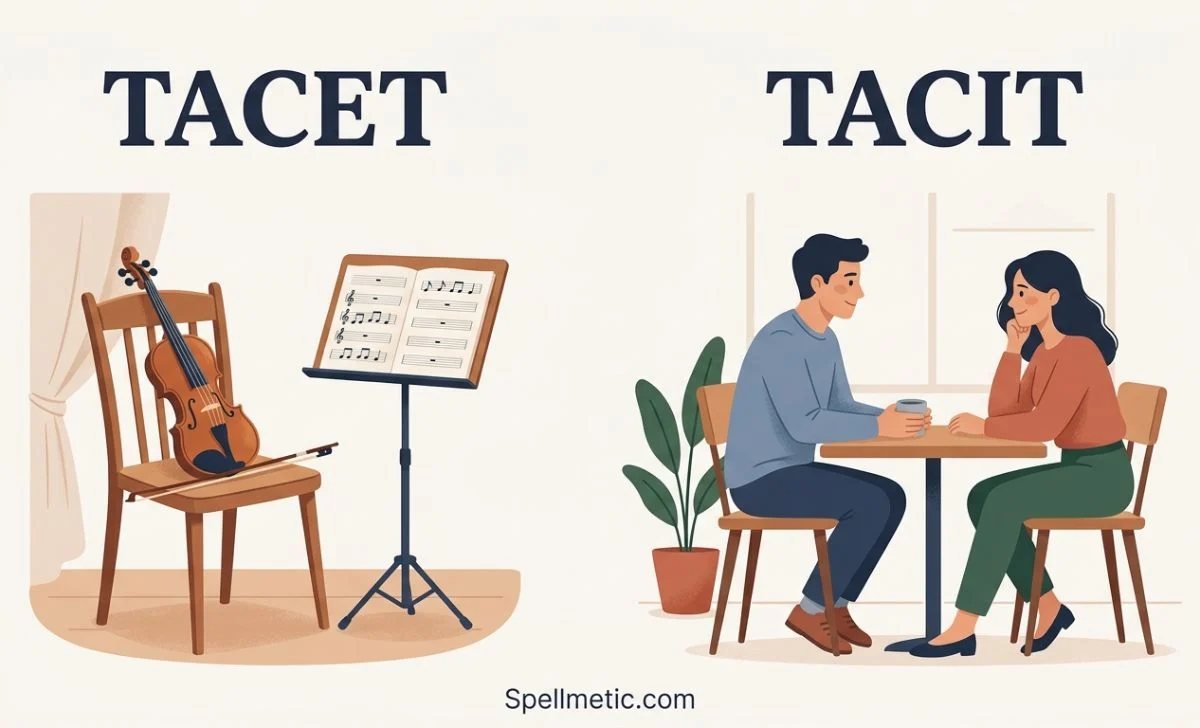
Tacit means understood or implied without being directly stated, while tacet is a musical direction telling a performer or section ...
Read more
Sane or Sain: One Common Word, One Rare Historical Word
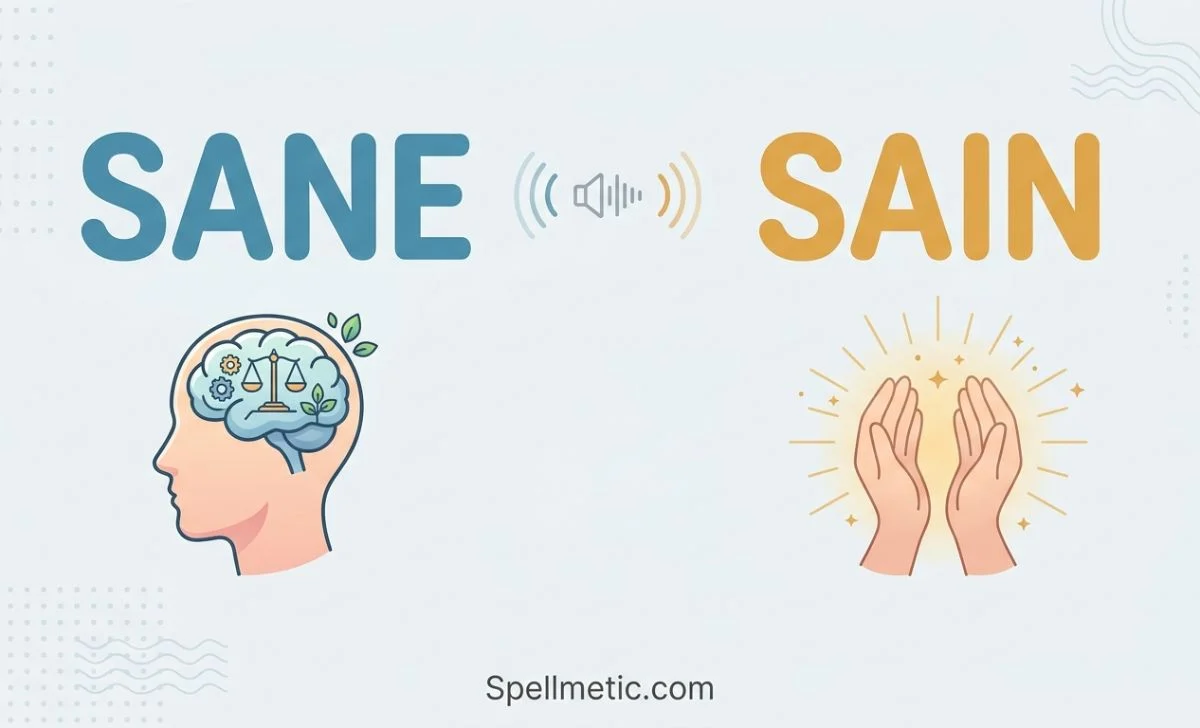
For everyday modern English, the correct word is sane, not sain. Sane is an adjective meaning mentally sound, sensible, or ...
Read more
Imminent or Eminent: Master These Similar-Sounding Words
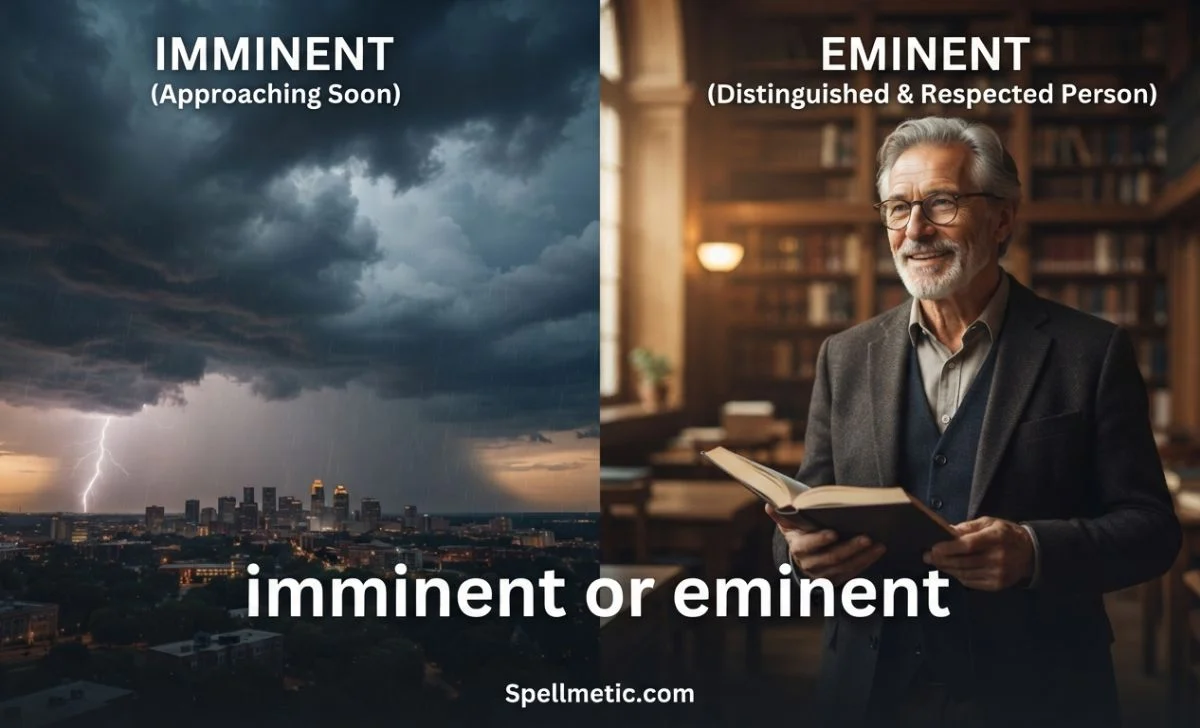
Imminent means something is about to happen very soon, while eminent describes someone who is distinguished, respected, or highly regarded. ...
Read more
Devices or Devises: One Letter, a Completely Different Meaning

Devices and devises are both correct words, but they are not interchangeable. Devices is the plural noun for tools, machines, ...
Read more
Unengaged or Disengaged: Definitions, Examples & Tips
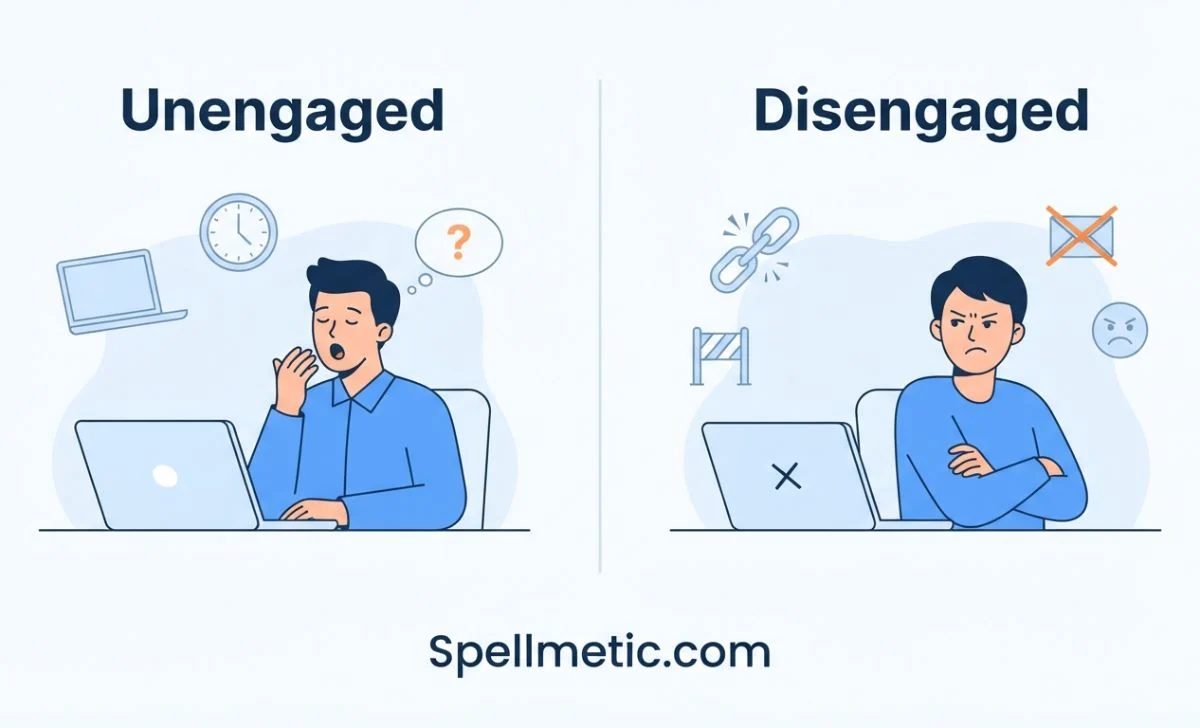
Both words are correct in US and UK English, but they are not exact synonyms. Use unengaged for someone who ...
Read more
Comma or Coma: Learn the Difference With Easy Examples
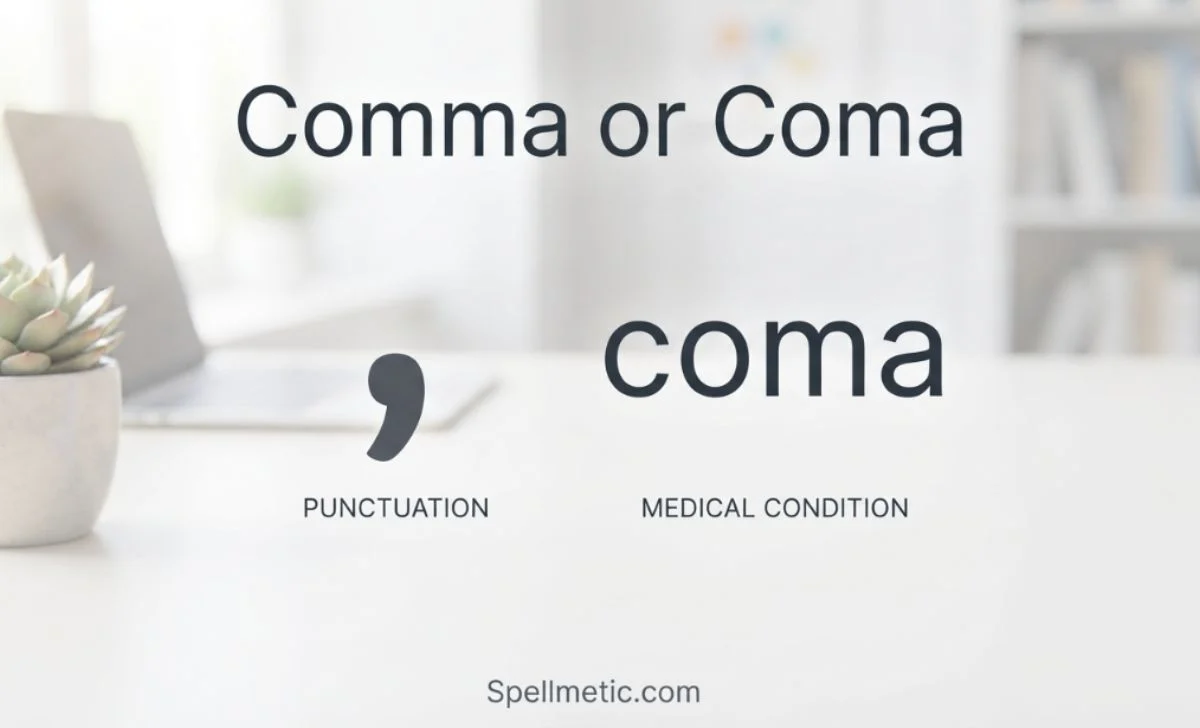
Use comma for punctuation and coma for a medical condition. A comma is the punctuation mark used in writing, while ...
Read more
Bleed or Bleeding? Learn the Difference With Easy Examples
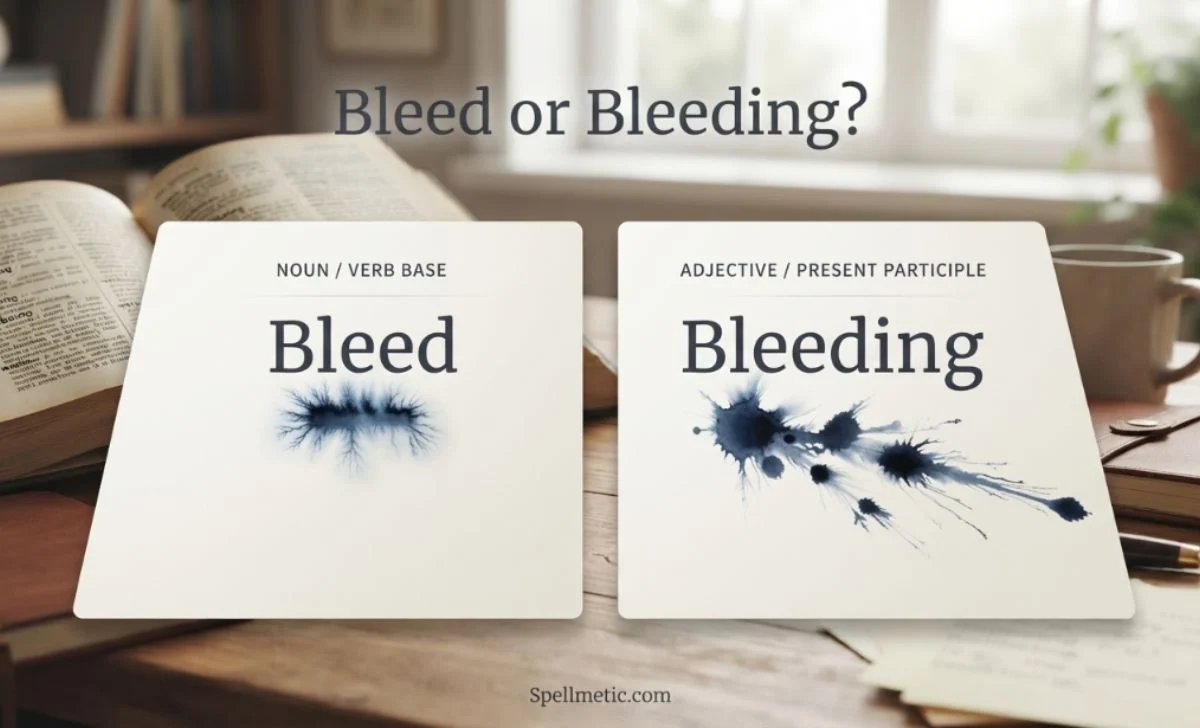
Use bleed for the present and base form, and use bled for the past and after has, have, or had: ...
Read more