Quit or Quite? Clear Answers to One of English’s Tricky Word Pairs
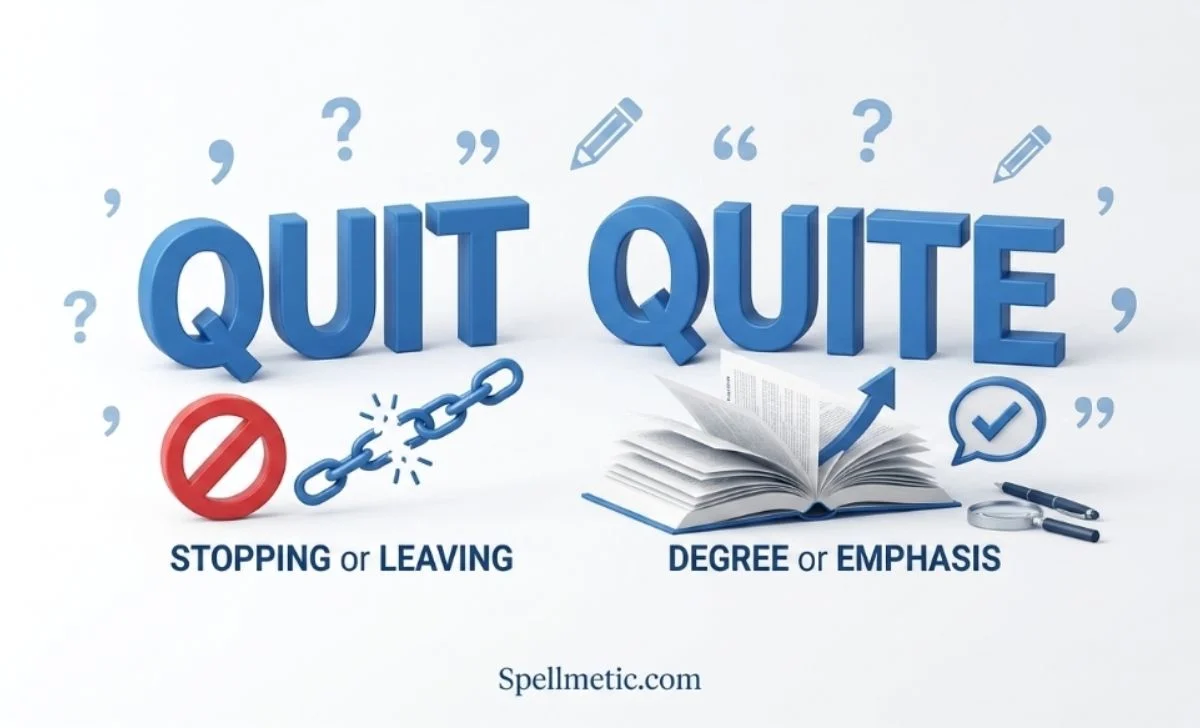
Quit is a verb meaning to stop doing something or leave a job, place, or activity, while quite is an ...
Read more
Customer or Client: Similar Words, Different Contexts

Both customer and client are correct in American and British English, but they are used in different contexts: customer is ...
Read more
Wacky or Whacky? What English Dictionaries Really Say

Wacky is the standard, preferred spelling in both US and UK English. Whacky is a recognized but less common variant, ...
Read more
Innocent or Guilty? Learn When and How to Use Each Word
Innocent means not responsible for a wrongdoing, while guilty means responsible for it. In both US and UK English, these ...
Read more
Channelled or Channeled? Understand the UK-US Difference
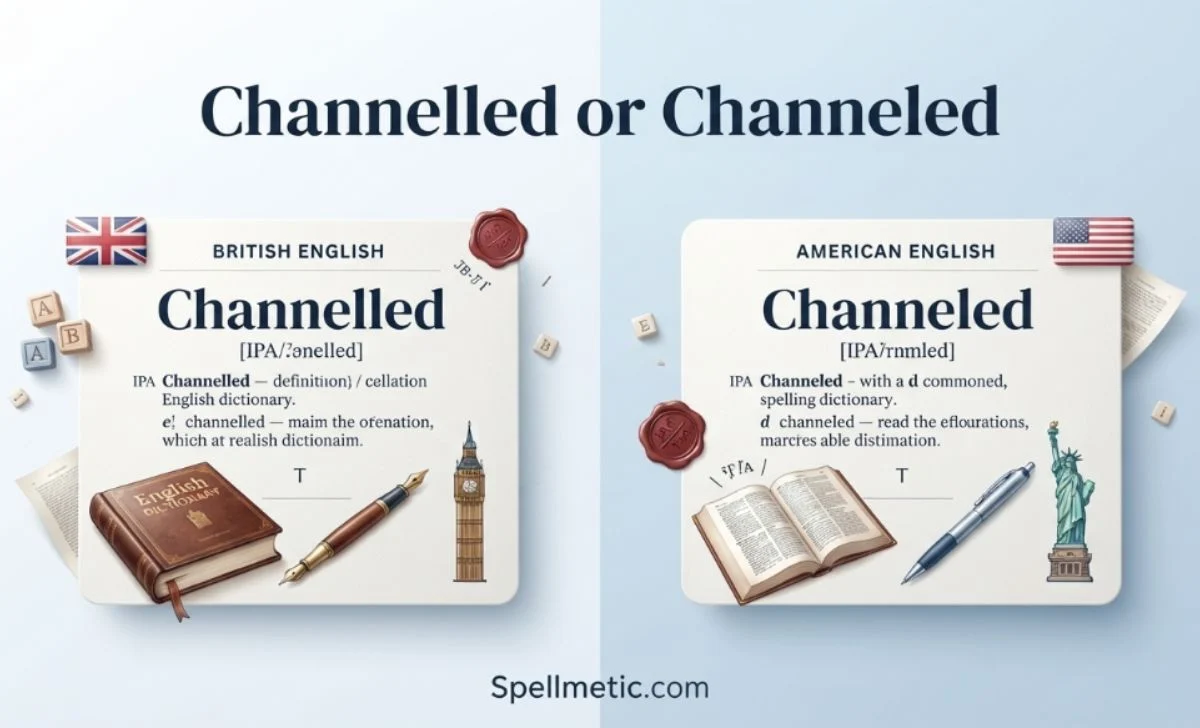
Both channelled and channeled are correct. Use channelled in British English and channeled in American English. The difference is only ...
Read more
Plyers or Pliers: The Right Name for This Essential Hand Tool
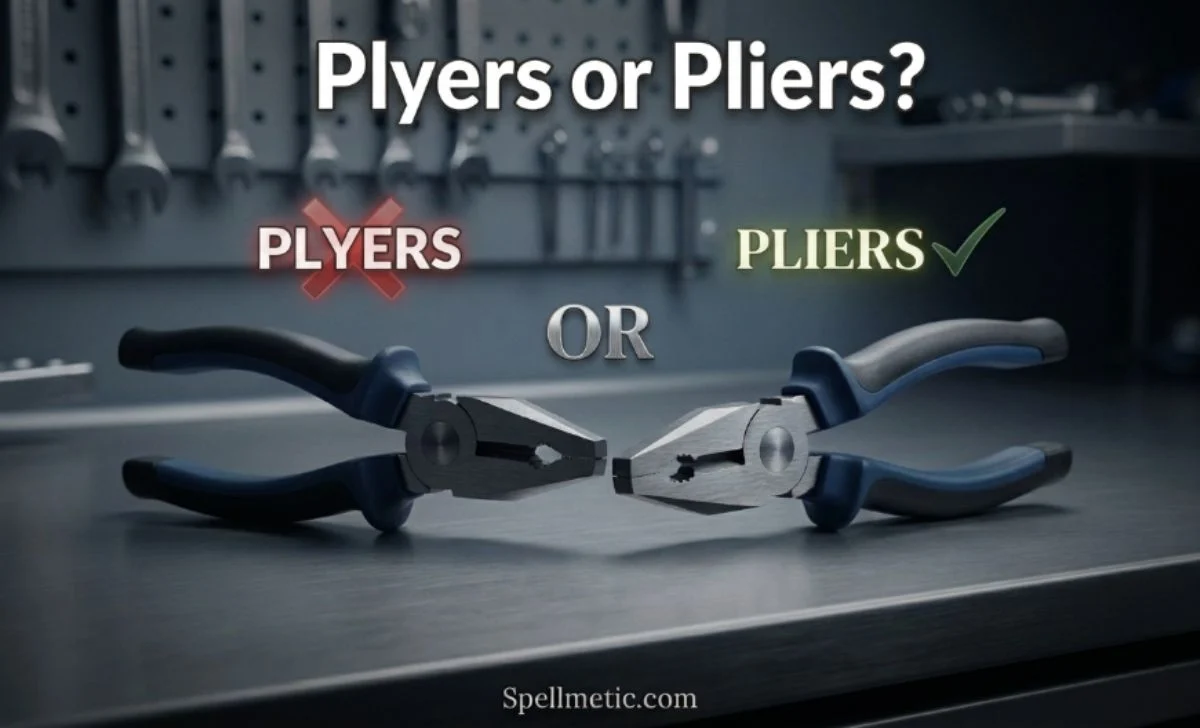
Pliers is the correct spelling for the hand tool; plyers is a common misspelling. The two spellings look similar and ...
Read more
Premise or Premises? What’s the Difference and When to Use Each?
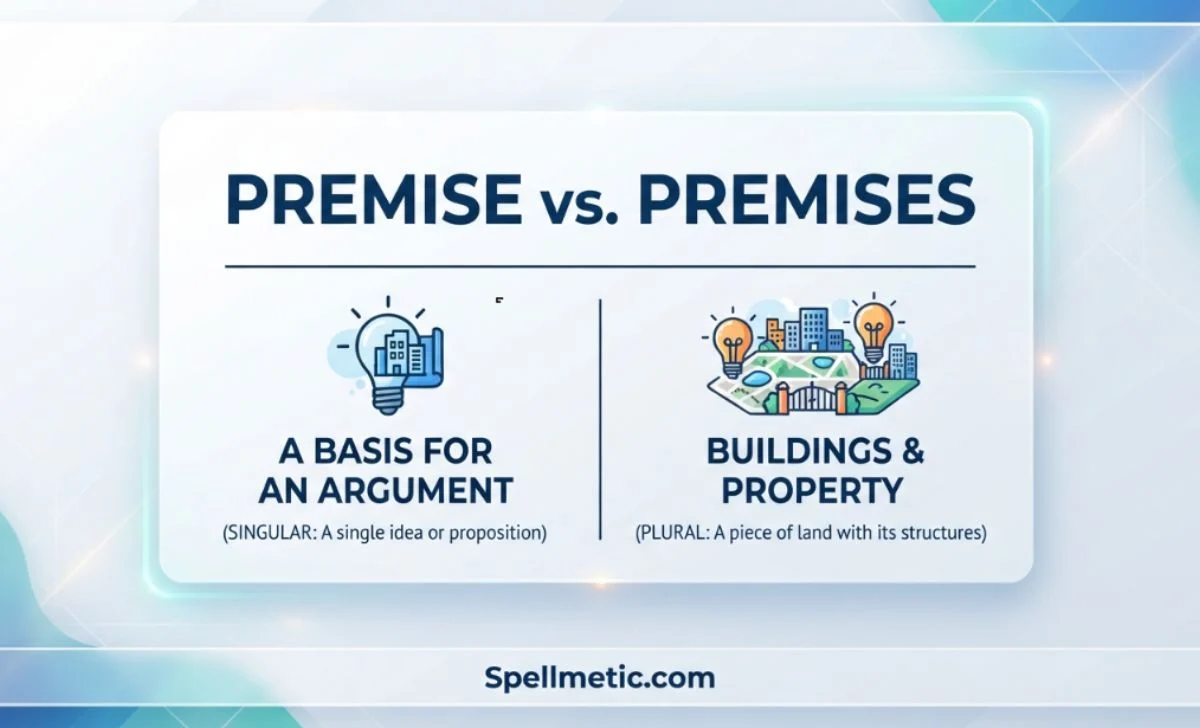
Use premise for one idea, assumption, or story concept, and use premises for more than one such idea or for ...
Read more
Discrete vs. Discreet: Why These Words Are So Easy to Confuse
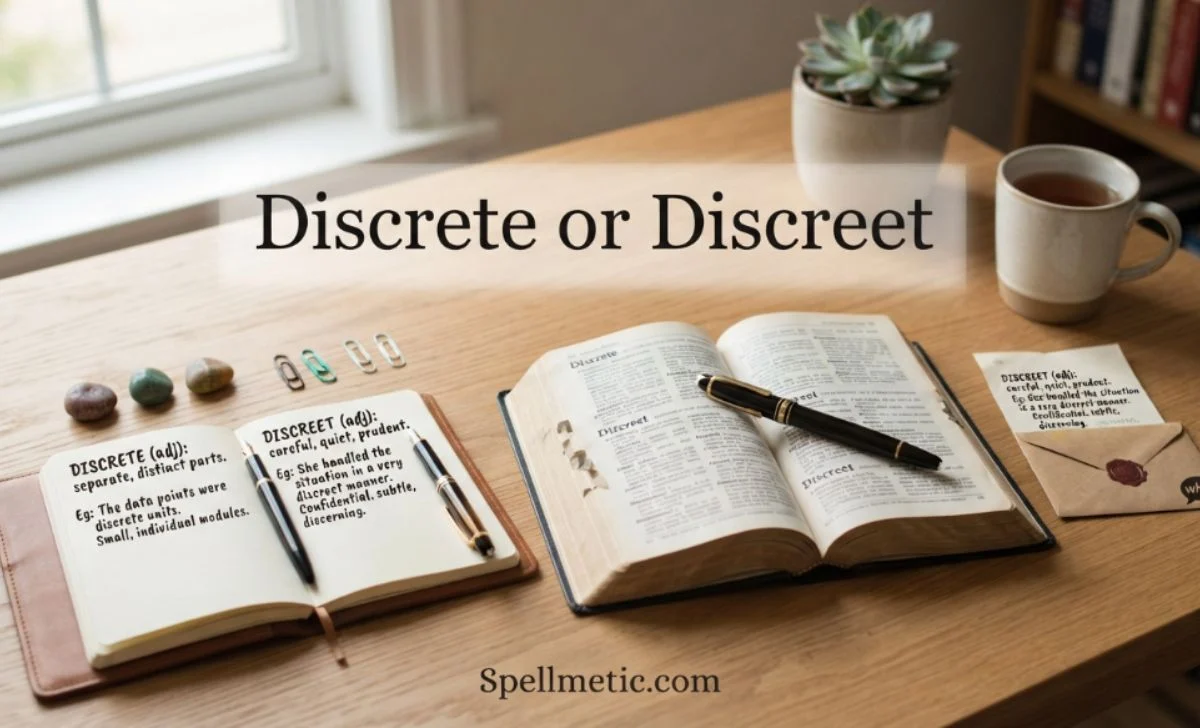
Discrete or discreet? Both are correct words, but they mean different things. Discrete means separate or distinct, while discreet means ...
Read more
Timeframe or Time Frame: How to Use It in Professional Writing

Timeframe or time frame? Both forms are correct in standard English. Time frame is the traditional, widely established form and ...
Read more
Afterward or Afterwards? The Answer Depends on Your Audience
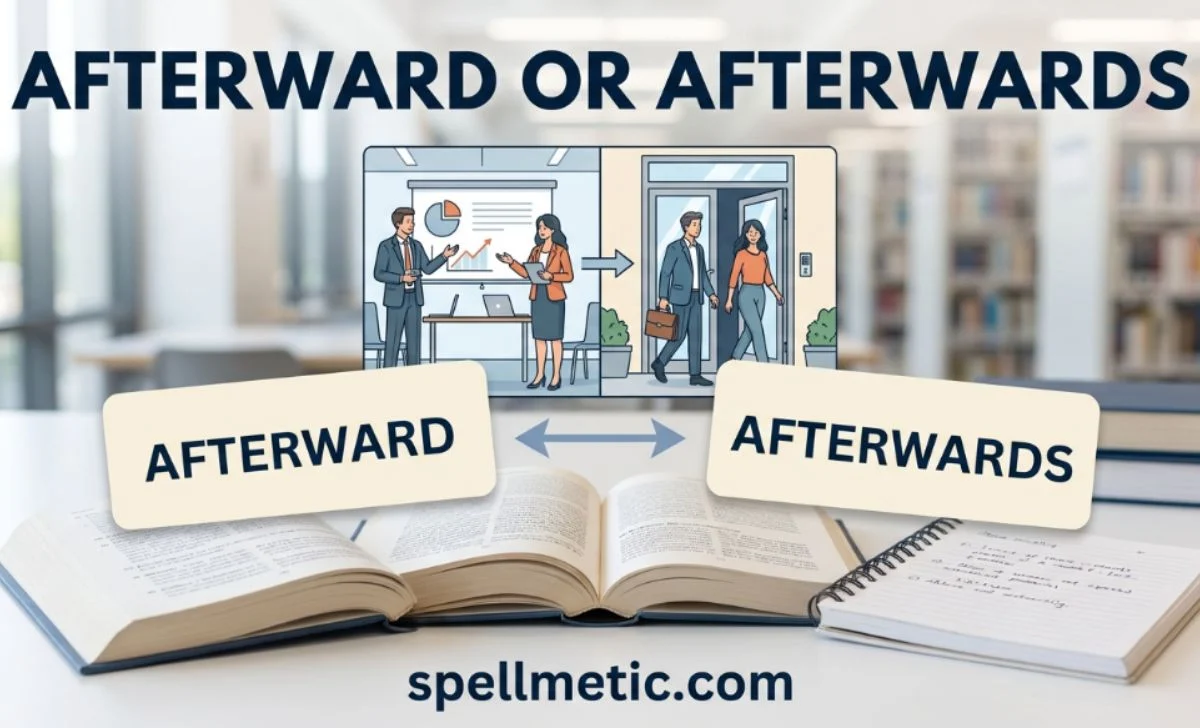
Both afterward and afterwards are correct. Use afterward in American English (US) and afterwards in British English (UK); both mean ...
Read more