Issac or Isaac: From Ancient Origins to Modern Usage
Isaac is the correct spelling; Issac is a common misspelling. Many people get confused between the two because both spellings ...
Read more
Quizes or Quizzes: The Spelling Rule That Solves the Confusion
Quizzes is the correct plural of quiz. Quizes is not a standard English spelling, because the final z is doubled ...
Read more
Homey or Homie? Correct Usage With Real-Life Examples
Homey and homie are two different words: homey is an adjective meaning cozy and comfortable, like home, while homie is ...
Read more
Rode or Ridden: Master the Past Forms of “Ride”

Rode is the simple past of ride, and ridden is its past participle. Many English learners confuse ridden and rode ...
Read more
Optimize vs Optimise: Why English Has Two Accepted Spellings
Both optimize and optimise are correct spellings of the same word. Optimize is the standard spelling in American English, while ...
Read more
Hes or He’s: A Small Punctuation Mark, A Big Difference

The correct form is he’s, not hes, in standard English. He’s is a contraction of he is or he has, ...
Read more
Con’t or Cont’d? What Dictionaries and Style Guides Actually Say
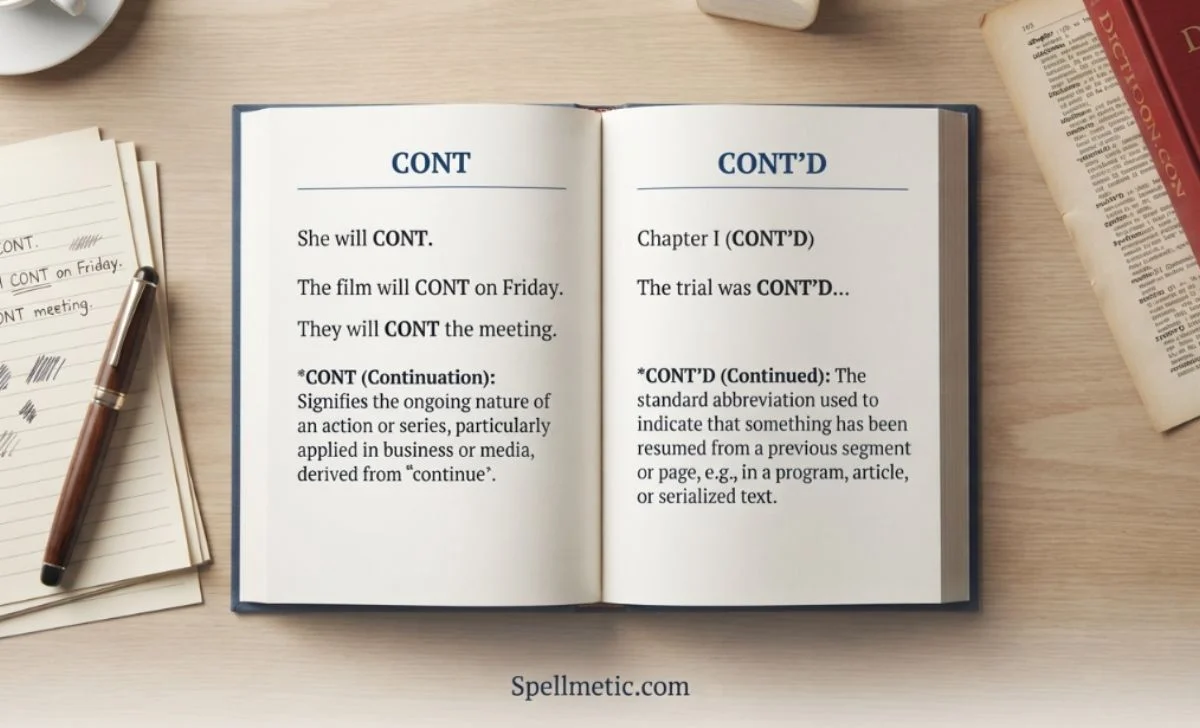
If you have seen con’t, cont’d, cont., or contd, you may have wondered whether they all mean the same thing—and ...
Read more
Donor or Donar? Find the Correct Form Before You Press Send
Donor is the correct spelling in both American and British English; donar is a common misspelling and is not recognized ...
Read more
Knaw or Gnaw: Which Spelling Deserves a Place in Your Writing?
Use gnaw, not knaw. Gnaw is the correct spelling in both US and UK English, while knaw is simply a ...
Read more
Seamless or Seemless: Why Only One Spelling Is Accepted

Seamless is the correct spelling in both US and UK English, while seemless is a misspelling. If you are choosing ...
Read more