Complaint or Complain: Meaning, Difference, and Examples

Complaint is a noun, while complain is a verb. Both words are correct, but they are not interchangeable: use complaint ...
Read more
Lessor vs. Lessee: Who Is the Tenant and Who Is the Landlord?

The lessor is the landlord, and the lessee is the tenant. The lessor grants the right to use an asset ...
Read more
Unengaged or Disengaged: Definitions, Examples & Tips

Both words are correct in US and UK English, but they are not exact synonyms. Use unengaged for someone who ...
Read more
Bleed or Bleeding? Learn the Difference With Easy Examples

Use bleed for the present and base form, and use bled for the past and after has, have, or had: ...
Read more
Bengali vs Bangladeshi: Are They the Same or Different?

Bengali and Bangladeshi are not the same thing: Bengali describes a language or a broader cultural identity, while Bangladeshi describes ...
Read more
Extraversion vs Extroversion: Which Term Is Preferred in Psychology?

Extraversion or extroversion? Both spellings are correct in US and UK English. Extraversion is the preferred spelling in psychology and ...
Read more
Strain or Sprain? The Easy Way to Know What Happened

A strain injures a muscle or tendon, while a sprain injures a ligament. The same distinction applies in both American ...
Read more
No Rips or Tears Meaning: What Does This Phrase Mean?

Both rips and tears are correct for damaged material. A rip often suggests a quick, forceful separation, while a tear ...
Read more
Christ or Chaos: Meaning, Biblical Context, Origin, and Modern Use

Christ or Chaos means choosing between a life centered on Christ and a life marked by disorder and confusion. It ...
Read more
Herd or Heard? Master the Difference With Clear Examples
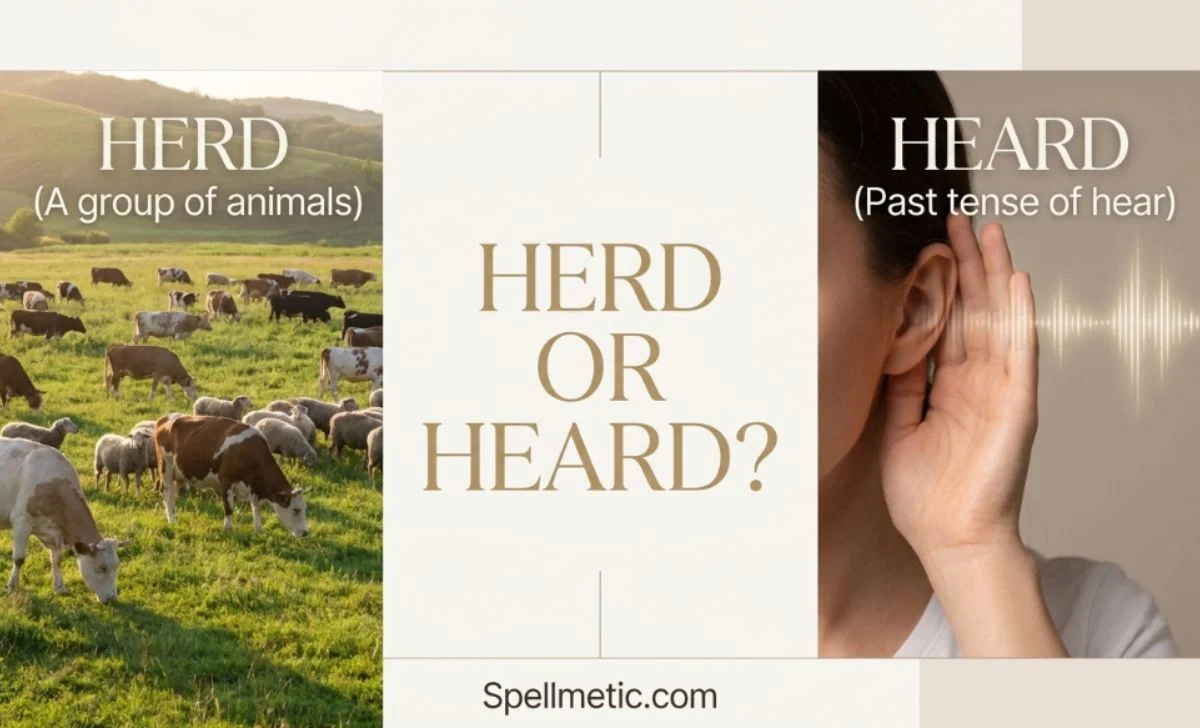
Herd means a group of animals, and heard is the past tense of hear. Use herd for a group of ...
Read more